Stop Choosing PVC Pipes Based Only on Thickness
2026-04-22 19:40:37
Why High-Spec Pipes Still Fail Repeatedly in Thai Factories
A thicker pipe does not guarantee it won’t leak. This is a common issue in many factories. Industrial PVC pipes may be selected based on strong specifications—thick walls, complete data, and proper installation. Initially, everything seems fine. But after a period of operation, recurring leaks begin to appear at the same points, cracks form at joints, or deformation occurs earlier than expected.
The root cause is rarely insufficient thickness. Instead, it comes from evaluating specifications in isolation from real-world conditions. In Thai factories, pipe lifespan is influenced by accumulated heat, pressure surges, misalignment, and improper support. When these factors combine, even well-specified pipes can fail.
Heat Accumulation Causes Gradual Deformation
In real operations, many industrial PVC pipe failures do not occur suddenly but gradually due to heat buildup from both the system and the environment. In Thailand, where ambient temperatures are already high, pipes carrying warm fluids or operating continuously are prone to creep—permanent deformation over time.
The challenge with creep is that failure is not immediate. Instead, pressure resistance decreases gradually as the pipe loses its original structural integrity. Areas that once handled loads effectively begin to weaken, and damage eventually appears at joints, supports, or stress-concentrated areas.
A common mistake is relying on specifications at room temperature, while actual operating conditions are far from constant. Pipes fail not because specs are wrong, but because real conditions push them beyond design limits.
Pressure Surges Cause Fatigue, Not Immediate Failure
Another frequent issue in industrial systems is pressure surge or water hammer, caused by valve operations, pump starts, or sudden load changes.
Even when average pressure remains within specification, the actual load experienced by the pipe is dynamic—repeated impact forces during operation. These surges do not always cause immediate failure but instead create fatigue in the pipe material and joints.
Over time, small weaknesses develop into cracks, eventually leading to leaks or rupture before the expected service life. This explains why some systems “meet spec” but still experience recurring failures—the issue lies not in maximum pressure, but in pressure fluctuation patterns.
Most Leaks Start at Installation, Not the Pipe Body
In many projects, leaks do not originate from the pipe body but from joints, supports, or forced alignments during installation.
This issue is known as misalignment, where pipes and fittings are not properly aligned but are forced together to complete installation. Even if no issue is visible initially, internal stress remains within the system.
When combined with heat, pressure surges, and vibration, this accumulated stress intensifies until leaks appear—usually at joints first.
Improper support spacing also contributes significantly. If pipes sag, carry excessive load, or lack room for thermal expansion, stress is transferred directly to joints and bends, leading to premature failure.
What the Catalog Shows vs What Actually Causes Failure
| What People Usually Look At | What Actually Happens in Systems |
|---|---|
| Pipe thickness | Only one factor; real lifespan depends on temperature, pressure, and installation |
| Pressure rating | Real systems have surges and cyclic loads that accelerate fatigue |
| Blaming material for leaks | Often caused by misalignment and improper support |
| Selecting based on specs alone | Must understand overall system behavior |
What to Evaluate Before Blaming Pipe Specifications
When leaks occur repeatedly, the key question is not just what pipe model is used, but:
- Is there heat accumulation?
- How frequent are pressure surges?
- Is there misalignment or residual stress?
- Are supports properly designed for real loads?
Without understanding system behavior, switching to thicker pipes only delays failure—it does not solve the root cause.
Reality from Industrial Applications
In Thai factories, premature failure of industrial PVC pipes is rarely due to insufficient thickness alone. It is typically caused by accumulated operational stress—heat, pressure surges, vibration, and installation-related stress.
Therefore, evaluating a pipe requires more than reviewing catalog thickness. Understanding system behavior and stress concentration points is critical. This explains why some high-spec pipes still fail repeatedly, while others perform reliably in similar conditions.
FAQ
1) Does a thicker PVC pipe mean it won’t leak?
Not necessarily. Thickness improves strength but does not address root causes such as heat, pressure surges, or installation stress.
2) Why do high-spec pipes still fail in Thai factories?
Because failures often stem from system behavior—heat buildup, pressure surges, and improper installation—rather than pipe specifications alone.
3) How do pressure surges affect PVC pipes?
They create repeated stress, leading to long-term fatigue and eventual cracking or leakage.
4) How important is pipe alignment?
Very important. Misalignment creates continuous stress, which worsens under heat, pressure, and vibration.
5) What should be considered to extend pipe lifespan?
System behavior, including temperature, pressure fluctuations, operation patterns, support design, and stress distribution—not just catalog specifications.
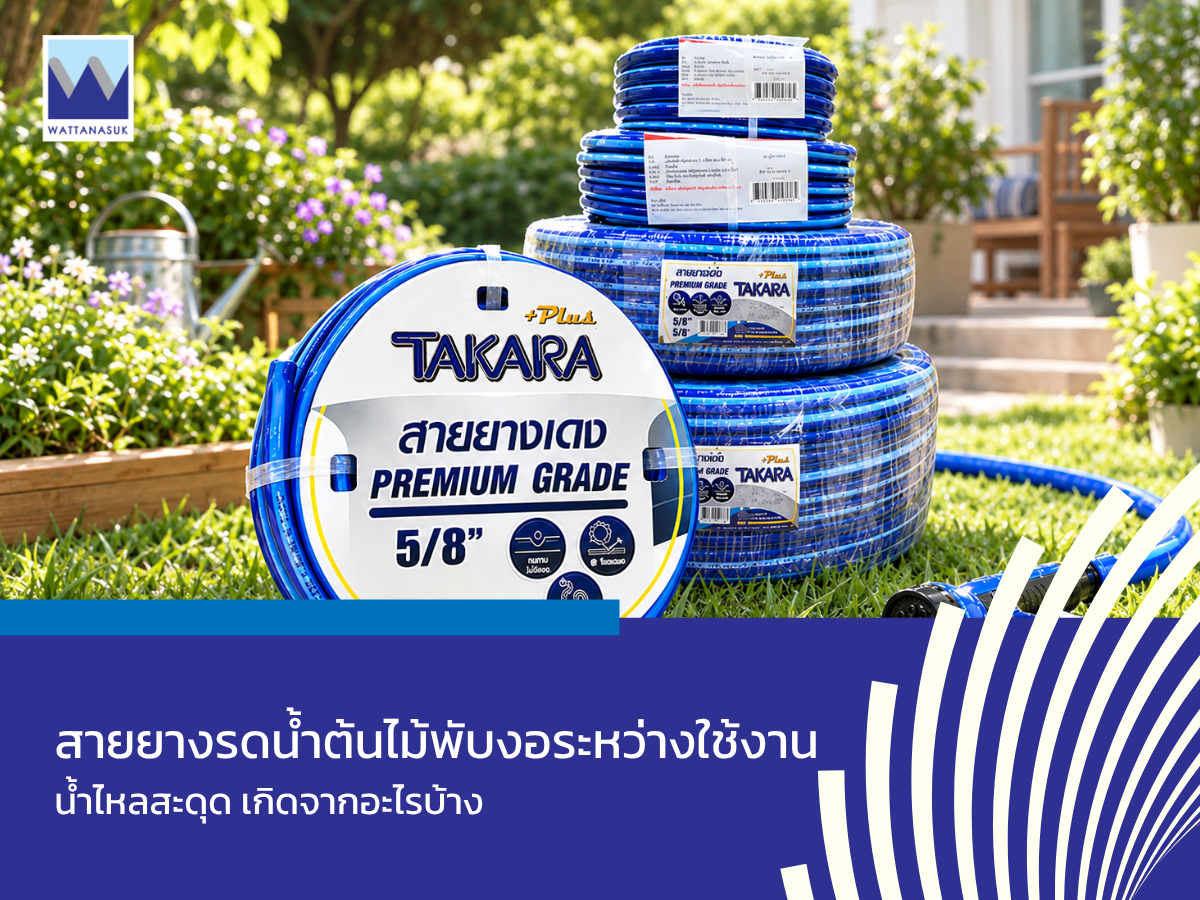
Why Does a Garden Hose Keep Kinking During Use?
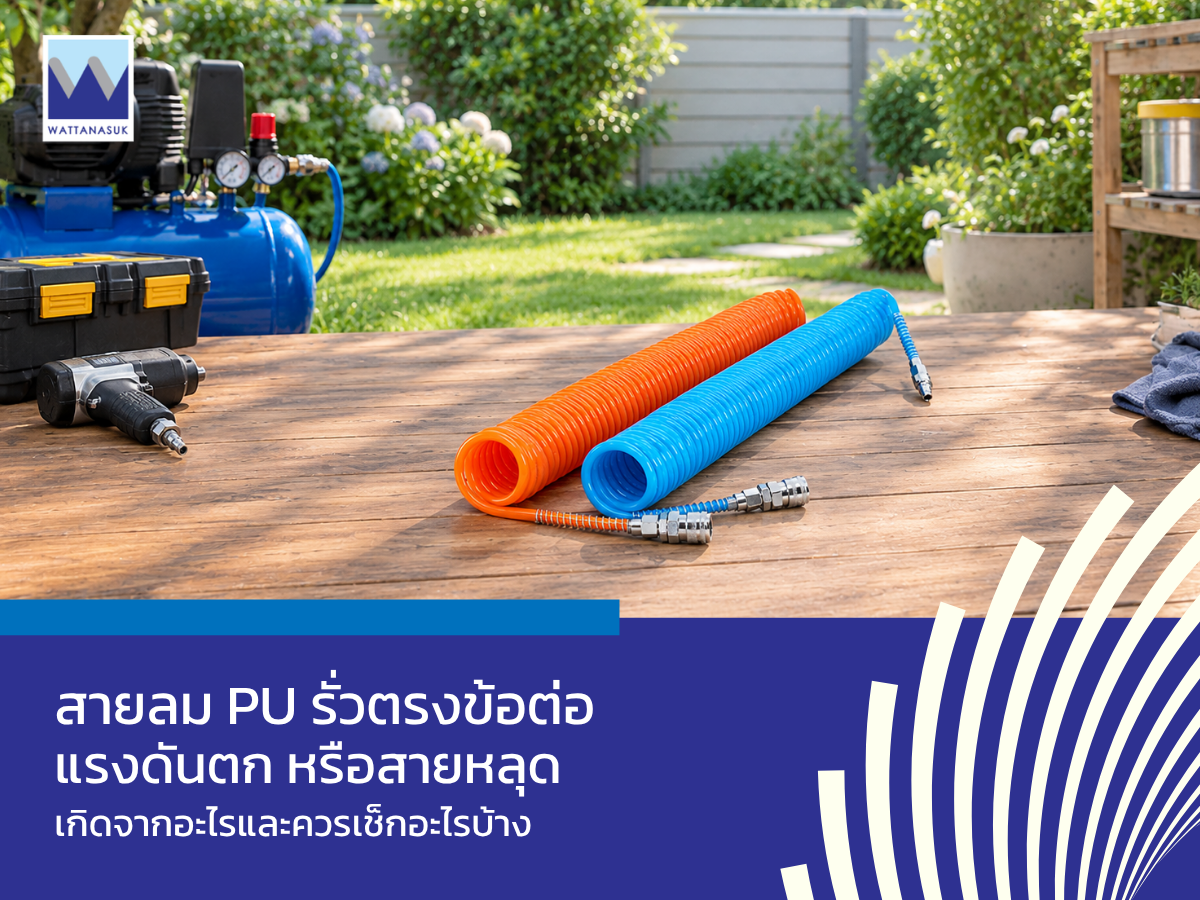
Why Does a PU Air Hose Leak or Come Loose at the Fitting?
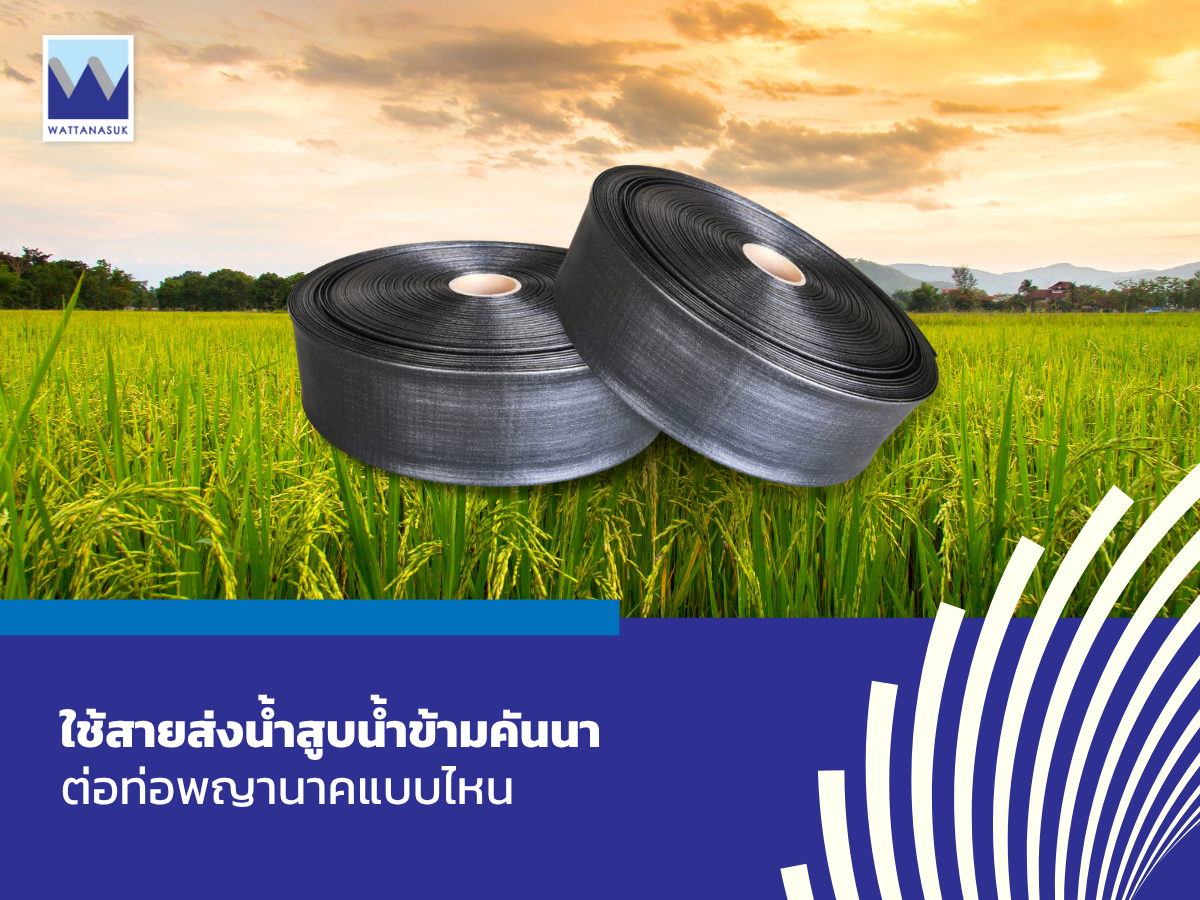
What Type of Water Delivery Hose Should You Use for Pumping Water Across Rice Field Bunds or Connecting to a Dragon Pump Pipe?