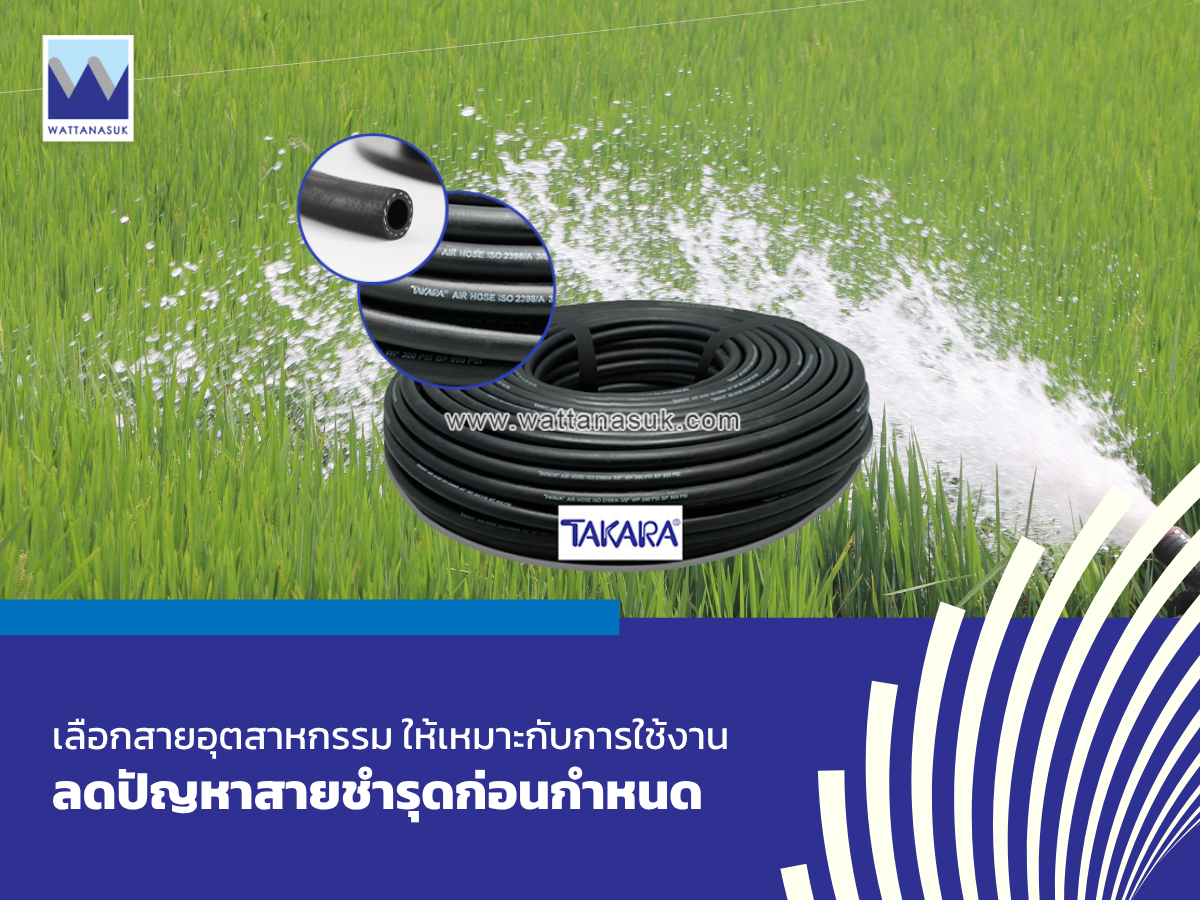
Why Reinforcement Yarn Matters: The Structure That Enables PVC Hoses to Withstand High Pressure
2026-04-22 19:32:21
In water systems, air systems, and various industrial applications, PVC hoses do more than simply transport fluids—they must continuously withstand internal pressure during operation. If a hose without reinforcement is used in high-pressure or surge conditions, its walls may expand, bulge, leak, or rupture prematurely.
Reinforcement yarn in PVC hoses refers to a layer of textile or braided fiber reinforcement that enhances pressure resistance, reduces wall expansion, and helps the hose maintain its shape during use.
The Engineering Role of Reinforcement Yarn
Reinforcement yarn acts as a structural backbone, bearing loads that would otherwise be placed directly on the PVC wall. This allows the hose to withstand high fluid pressure and reduces the risk of expansion or bursting during operation.
A key engineering principle is stress distribution, ensuring forces are evenly spread across the hose. This prevents deformation, twisting, or elongation under continuous high pressure. Without this reinforcement, the flexible PVC wall may experience the balloon effect, gradually thinning and eventually failing.
The yarn layer effectively creates a “pressure containment cage,” stabilizing connection points and significantly extending the hose’s service life compared to standard PVC hoses.
Why Yarn-Reinforced Hoses Handle Pressure Better
Pressure resistance is not determined by PVC thickness alone, but by the reinforcement structure that absorbs stress and prevents deformation. Four key engineering factors determine real-world durability:
• Yarn Quality (The Backbone)
High-grade industrial hoses use high-tensile polyester yarn, capable of withstanding significant tensile forces without stretching. Lower-quality yarn fatigues more easily under pressure surges, leading to internal structural failure.
• Braiding Precision
The braiding angle and density are engineered to maintain dimensional stability. Proper braiding prevents diameter expansion and length shrinkage, reducing the risk of leaks or joint failure.
• Interlayer Bonding
Strong adhesion between PVC and yarn is critical. Poor bonding leads to delamination, allowing fluid to penetrate between layers (wicking), which can cause internal bursting even if the outer layer appears intact.
• Coupling Standards
Connections are the weakest points. Incorrect fittings or excessive clamping force can damage reinforcement layers, creating stress concentration points that lead to cracks and system failure.
Comparison Table: Standard PVC Hose vs Yarn-Reinforced PVC Hose
| Comparison Aspect | Standard PVC Hose | Yarn-Reinforced PVC Hose |
|---|---|---|
| Structure | PVC wall only | PVC + textile/yarn reinforcement |
| Pressure Handling | Limited, for low pressure | Higher, suitable for continuous/surge pressure |
| Expansion | Expands easily | Better shape control |
| Burst Resistance | Lower | Higher when properly designed |
| Stability | Deforms under load | Stable in heavy-duty use |
| Applications | General use | Industrial, construction, fluid systems |
Yarn Reinforcement Does Not Mean Universal Use
Although reinforced hoses perform better, they are not suitable for all applications. Performance depends on temperature, environment, pressure characteristics, bending conditions, and fluid type.
Manufacturers often specify that working pressure decreases as temperature increases, and rated performance is only achieved under proper installation conditions.
In real-world systems, factors such as fluctuating pressure and installation limitations can create stress conditions beyond catalog specifications, leading to long-term hidden costs.
When Reinforcement Becomes a Requirement, Not an Option
In applications such as field water pumping, factory air systems, or systems with frequent valve operation, using non-reinforced hoses to reduce initial cost often leads to higher long-term costs—frequent replacement, downtime, and safety risks.
In such cases, reinforcement yarn is not just a marketing feature but a critical structural component that determines whether the hose can perform reliably.
For industrial projects, hose selection should be based on material properties, reinforcement structure, assembly methods, and testing standards. A single hose failure can impact an entire system, making proper material selection a key part of risk management.
FAQ
1) What is the reinforcement yarn made of?
Typically polyester or high-tensile fibers, designed to improve strength and pressure resistance without directly affecting flexibility.
2) Do all reinforced hoses handle the same pressure?
No. Performance depends on material, structure, and number of reinforcement layers.
3) Why distinguish between working pressure and burst pressure?
Working pressure is the safe operating limit, while burst pressure is the maximum before failure.
4) Does temperature affect reinforced hoses?
Yes. Heat accelerates degradation, while cold makes hoses brittle.
5) Should standards still be considered?
Yes. Even high-quality hoses should comply with standards such as ISO for safety and reliability.
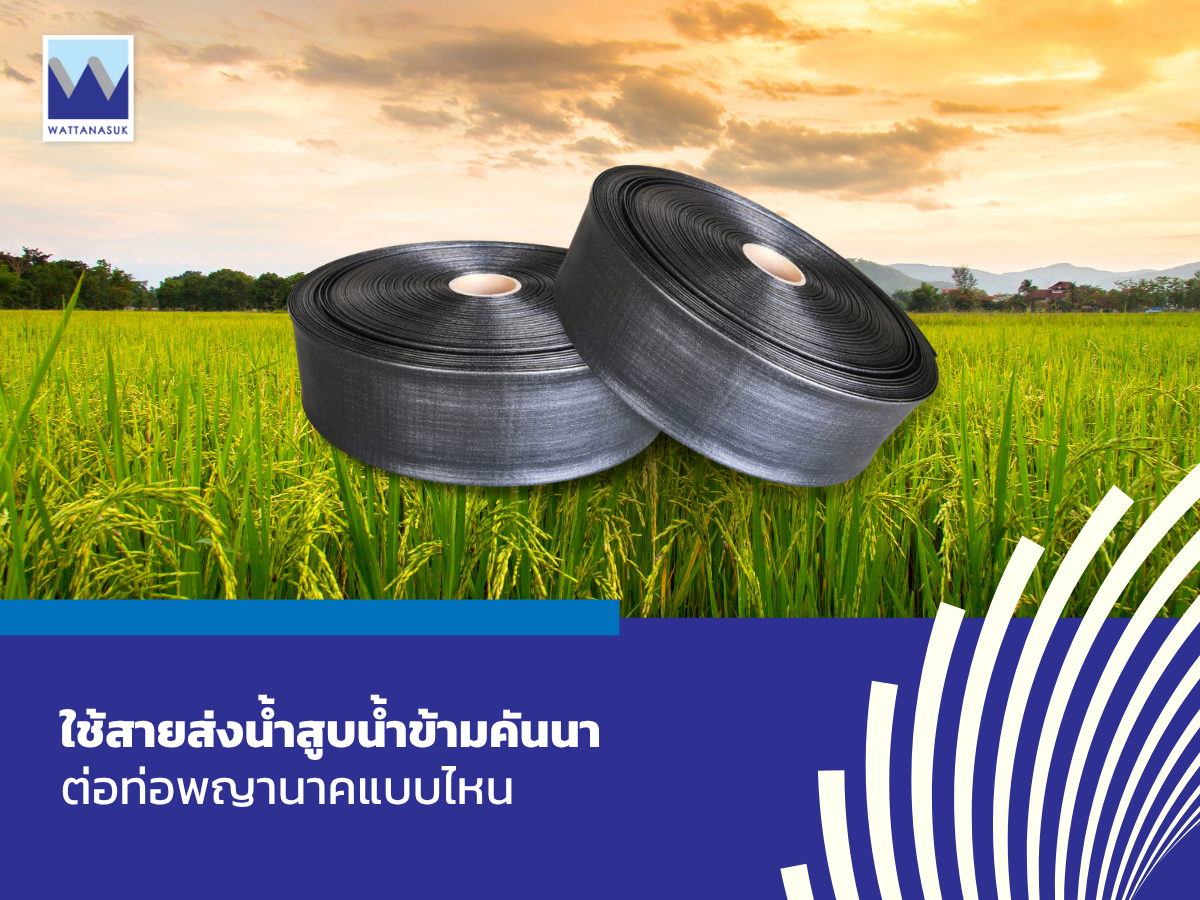
What Type of Water Delivery Hose Should You Use for Pumping Water Across Rice Field Bunds or Connecting to a Dragon Pump Pipe?
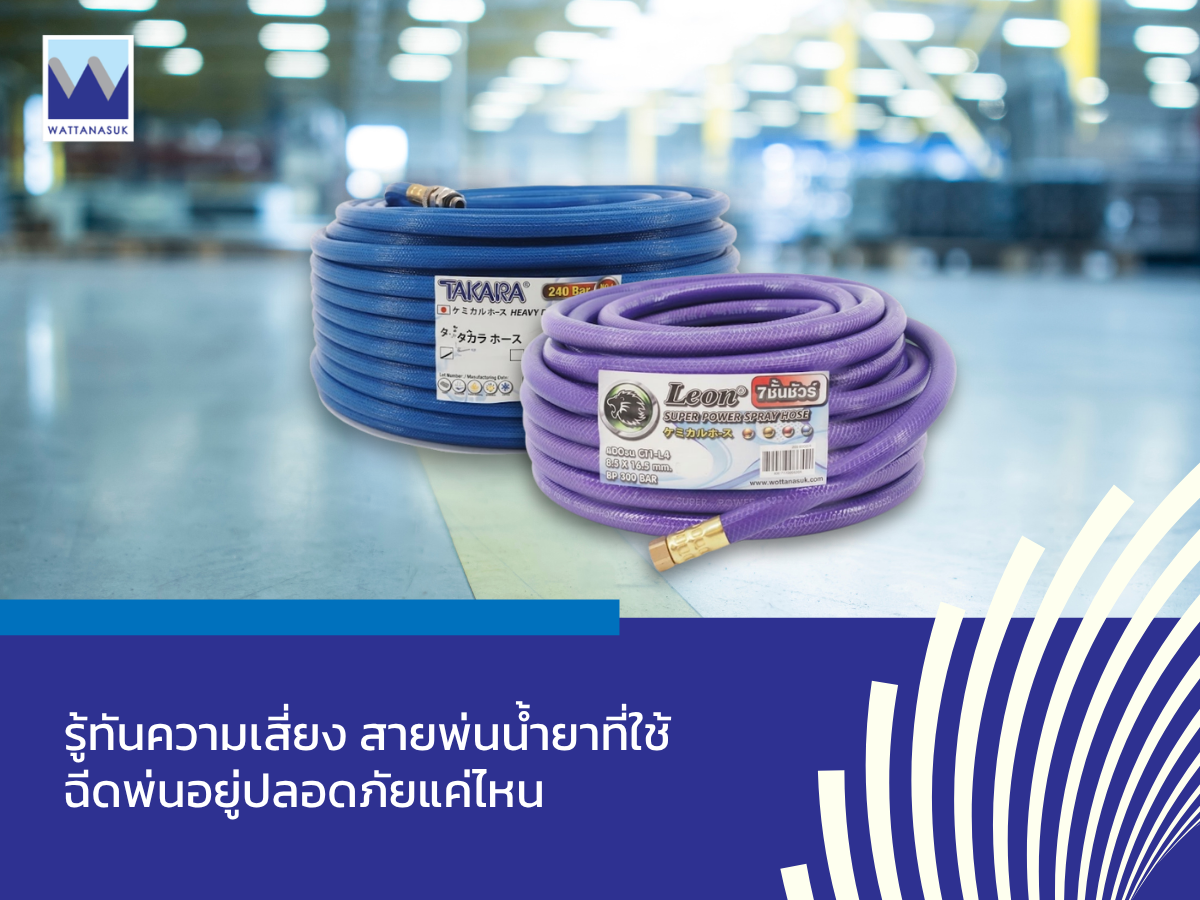
How Safe Is the Chemical Spray Hose You Are Using?
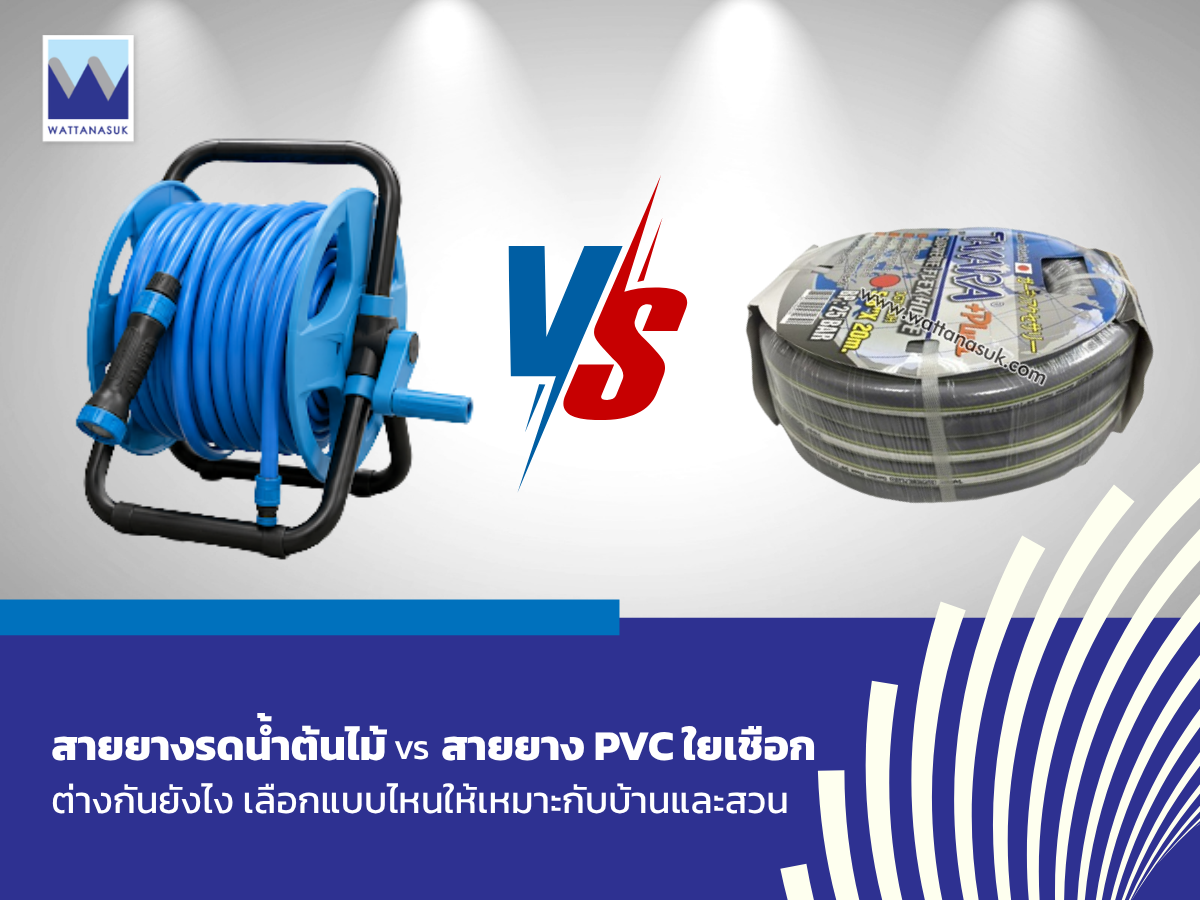
Garden Hose vs Braided PVC Hose: Which One Is Right for Your Home and Garden?