Why Does a PU Air Hose Leak or Come Loose at the Fitting?
2026-09-24 16:38:37
A PU air hose that leaks at the fitting, causes pressure loss, or comes loose is usually affected by one or more installation or component-related issues. Common causes include an unevenly cut hose end, incomplete insertion into the fitting, an incorrect hose size, surface damage, excessive bending or pulling near the fitting, or a worn O-ring inside the connector.
Before deciding to replace the hose or fitting, start by cutting the hose end again, inserting it fully into the fitting, gently pulling it to confirm that it is securely locked, and checking that the hose outside diameter (OD) matches the fitting size.
In pneumatic systems, leaks and disconnections around fittings are more common than many users expect. Even a newly replaced hose may begin leaking after a short period of use, resulting in pressure loss or causing the hose to come loose from a push-in fitting. This can interrupt the operation of pneumatic tools or machinery.
For this reason, troubleshooting should include the hose end, insertion method, hose OD, the surface area where the seal contacts the hose, tension near the fitting, and the condition of the internal O-ring. The problem should not be attributed to the hose or fitting alone without checking the entire connection.
Why Are Air Fittings Common Leak Points?
Push-in pneumatic fittings rely on two main components: a locking mechanism that grips the outside of the hose and an internal seal that presses against the outer surface of the PU air hose.
If the hose end is deformed, the hose is not fully inserted, or constant tension is applied near the fitting, the connection can become more prone to air leakage than other sections of the hose.
In machinery applications, fittings are often exposed to vibration, movement, pulling forces, and repeated connection and disconnection. If the installation does not provide sufficient hose length or the hose and fitting sizes do not match properly, the same problem may occur again even after replacing the hose or fitting.
How to Check Why a PU Air Hose Is Leaking or Coming Loose at the Fitting
1. The PU Hose End Is Uneven or Cut at an Angle
The hose end should be one of the first areas to inspect.
If the hose is cut using blunt scissors, pliers, or a dull blade, the cut may become angled, crushed, or rough. This prevents the internal seal in the fitting from making full and even contact with the hose surface, allowing compressed air to escape around the connection.
If air leakage occurs immediately after installation, remove the hose and inspect the cut end. Cut it again so that the end is clean, straight, and perpendicular to the hose.
Avoid reinserting a hose end that is crushed, torn, or deformed, as the connection is likely to leak again.
2. The Hose Is Not Fully Inserted Into the Fitting
A push-in fitting does not securely lock the hose when it is only partially inserted. The hose must be pushed in far enough to reach the designed locking position inside the fitting.
If the hose is not fully inserted, it may appear to be connected securely, but air pressure or machine vibration can cause leakage or allow the hose to come loose.
After inserting the hose, gently pull it to check that it is properly locked in place. If it moves out easily, remove it and insert it again until it is fully seated.
Do not continue operating the system with an insecure connection, as compressed air pressure may force the hose out during operation.
3. The Hose and Fitting Sizes Do Not Match
PU air hoses are commonly selected based on their outside diameter, or OD. The hose OD must match the specified size of the pneumatic fitting.
If the wrong hose size is used, the fitting size is incorrect, or the dimensions do not match precisely, the fitting may not grip the hose securely or the internal seal may not make sufficient contact.
This issue often occurs when a new hose is installed with an existing fitting based only on an approximate size rather than confirming the actual OD.
Before purchasing a replacement hose, check the actual hose size, the fitting specification, and the operating pressure to make sure all components are compatible.
4. The Hose Surface Is Damaged or Deformed Around the Sealing Area
A pneumatic fitting does not seal against the inside of the hose. It seals against the outside surface.
If the hose surface has scratches, dents, flattening, or deformation caused by repeated insertion and removal, the O-ring may not make complete contact with the hose surface. This can result in a slight but continuous air leak.
If the same fitting repeatedly leaks, inspect not only the hose end but also the section of the hose that sits inside the fitting.
If the surface is damaged, cut off the affected section before reconnecting the hose. However, if the damage is caused by constant pulling or rubbing, the hose routing should also be corrected to prevent the problem from recurring.
5. The Hose Is Bent or Pulled Too Close to the Fitting
This is a common issue that can easily be overlooked.
If the hose bends immediately after leaving the fitting, or if the hose is constantly pulled by its own weight, sideways force is applied to the fitting connection.
This can prevent the seal from making proper contact or gradually pull the hose out of the locking mechanism.
Applications involving frequent movement, such as automated machinery, pneumatic workstations, or hoses that are regularly moved around, should provide a short straight section of hose after the fitting before allowing the hose to curve.
Avoid securing the hose too tightly. If the hose must change direction immediately after the connection, consider using an elbow fitting instead of forcing the hose into a sharp bend.
6. The O-Ring or Locking Mechanism Inside the Fitting Is Worn
If the hose has been cut correctly, fully inserted, and confirmed to be the correct size but the connection still leaks, the fitting itself may need to be inspected.
Possible causes include a hardened, torn, or worn O-ring, contamination from dust or debris, oil residue, or a locking mechanism that no longer grips the hose securely.
This is especially common with fittings that have been used for a long time or have undergone frequent hose insertion and removal.
In these cases, replacing only the hose may not solve the problem because the fitting itself is the source of the leak.
The operating environment should also be considered. Dust, heat, oil mist, and continuous vibration can contribute to faster fitting deterioration.
What Should You Check Before Replacing the Hose or Fitting?
Before replacing the PU hose or fitting, check the following points:
- Is the hose end cut cleanly and straight?
- Is the hose fully inserted into the fitting?
- Does the hose OD match the fitting size?
- Is the outer hose surface scratched or damaged?
- Is the hose being pulled or bent too close to the fitting?
If all of these areas have been checked and the connection still leaks, inspect the fitting, O-ring, locking mechanism, and other components in the pneumatic line.
Following this process can help prevent unnecessary replacement of components. In some cases, the problem is not caused solely by the PU hose or fitting but by the installation method and operating conditions around the connection.
Frequently Asked Questions
What are the most common causes of a PU air hose leaking at the fitting?
Common causes include an unevenly cut hose end, incomplete insertion, an incorrect hose size, or a worn O-ring inside the fitting.
If leakage begins immediately after installation, start by checking the hose end and confirming that the hose has been fully inserted before replacing any components.
If a PU air hose comes loose from the fitting, does it mean the fitting is damaged?
Not necessarily.
The hose may come loose because it was not fully inserted, its OD does not match the fitting, or excessive pulling force is being applied near the fitting.
Check the installation method and hose size before concluding that the fitting is defective.
Can I cut a PU hose with scissors?
Scissors can be used in some cases if they are sharp enough to produce a clean, straight cut without crushing, angling, or leaving rough edges.
However, for pneumatic applications that require a reliable seal, it is preferable to use a suitable hose-cutting tool that produces a straight and clean hose end.
Why can I hear an air leak even though the hose has not come loose?
The internal O-ring may not be sealing properly, the hose surface may be scratched, the hose end may be deformed, or dust and debris may be present inside the fitting.
Even if the hose remains securely locked, air can still leak if the seal does not make full contact with the hose surface.
If a PU hose leaks at the fitting, should I replace the hose or the fitting first?
Start by cutting the hose end again, inserting the hose fully, and confirming that the hose OD matches the fitting.
If the connection still leaks after these checks, inspect the O-ring, locking mechanism, and the overall condition of the fitting before deciding which component needs to be replaced.

Why Does a Garden Hose Keep Kinking During Use?
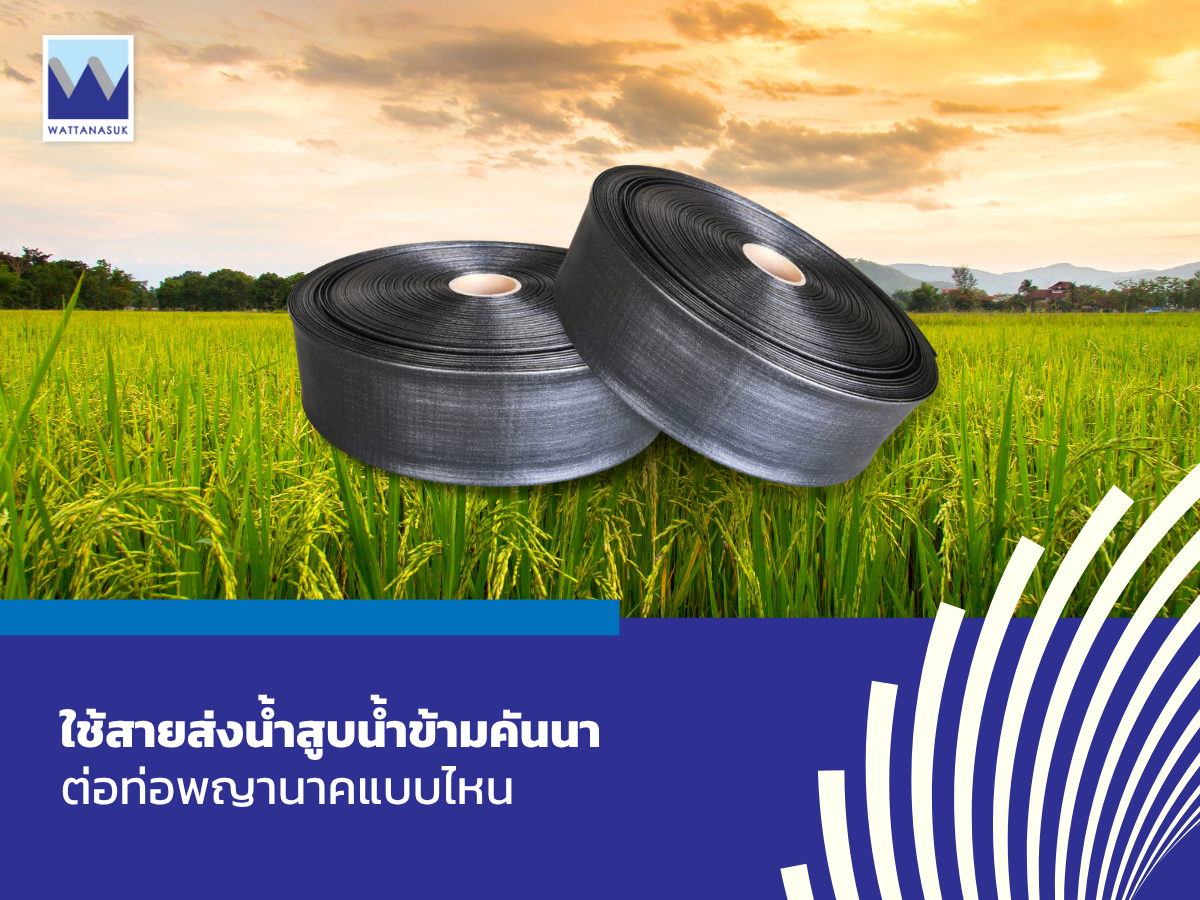
What Type of Water Delivery Hose Should You Use for Pumping Water Across Rice Field Bunds or Connecting to a Dragon Pump Pipe?
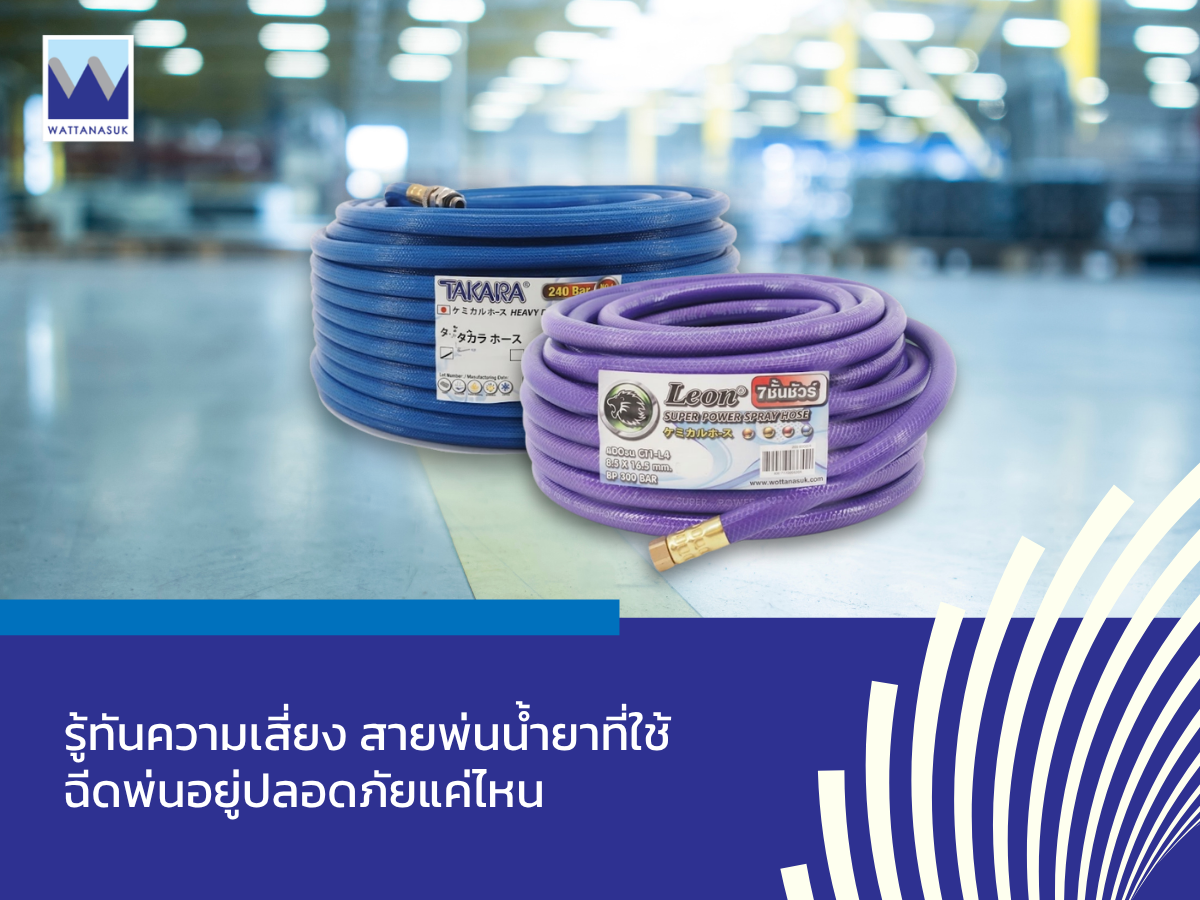
How Safe Is the Chemical Spray Hose You Are Using?