What Is the Super Flex Property in WSI Rope-Reinforced Fiber?
2026-01-29 15:58:15
Super Flex in rope-reinforced fiber refers to a design that delivers a high level of flexibility, allowing hoses to withstand pressure while maintaining their shape effectively—even in outdoor environments or under continuous operation. This design approach directly supports real-world usage requirements for rope-reinforced fiber products.
Rope-reinforced fiber is a key component widely used in agriculture, light industry, and general applications that involve fluid transfer or operation under tension, pressure, bending forces, and repeated mechanical stress. These demanding conditions make Super Flex an essential property.
Rope-reinforced fiber with Super Flex does more than improve durability; it directly enhances the stability of the overall system. Bending without structural deformation allows forces transmitted through the hose to remain consistent, reducing interruptions or irregular performance. In agricultural and general-use contexts, this stability helps minimize unnecessary downtime and ensures smoother, more reliable operation.
Benefits of Super Flex for Performance and Service Life
1. Reduced Bending Radius Without Structural Deformation
Rope-reinforced fiber with Super Flex can bend at a radius approximately 40–50% tighter than standard hoses while maintaining proper internal fiber function. The hose cross-section retains over 90% of its original shape even at high-bend points, enabling efficient use in confined spaces.
2. Consistent Flow and Load Transmission
When the hose cross-section does not collapse, pressure or force transmission remains continuous. In Super Flex hoses, force loss due to bending averages only 3–5%, compared with 10–15% in hoses with lower flexibility. This results in significantly greater system stability.
3. Reduced Stress Accumulation in Fiber Structure
Super Flex distributes bending forces along the length of the hose instead of concentrating stress at a single point. This distribution reduces accumulated stress within the fiber structure, which is a primary cause of cracking and premature degradation.
4. Greater Resistance to Long-Term Repetitive Use
Super Flex rope-reinforced fiber can withstand more than 10,000 bending cycles before structural fatigue occurs, reflecting a substantially longer service life.
5. Reduced Damage at Joints and Connection Points
Joints are the most failure-prone areas of rope-reinforced fiber. Low-flexibility hoses transmit bending forces directly to connection points, whereas Super Flex disperses these forces. This reduces stress accumulation at joints by approximately 20–30%, lowering the risk of leaks or joint failure over time.
6. Extended Service Life and Lower Total Cost of Ownership
Slower material degradation leads to fewer replacements and reduced maintenance. Although hoses with Super Flex may have a higher initial cost, they offer significantly better long-term value by lowering total lifecycle costs.
Super Flex is not merely a flexibility feature; it is a critical factor that systematically improves stability, reduces wear, and extends the service life of rope-reinforced fiber. It is especially suitable for continuous-operation applications, systems requiring frequent hose movement, and environments where bending cannot be avoided.
Super Flex Rope-Reinforced Fiber from WSI for Continuous Operation
Choosing rope-reinforced fiber with Super Flex should not be viewed solely as a matter of softness or ease of handling. It is a structural decision that directly affects service life, operational stability, and long-term cost efficiency.
When rope-reinforced fiber can bend without deformation, forces generated by repeated use are properly distributed, reducing fatigue accumulation in the internal fibers. This results in slower degradation, more consistent performance, and fewer premature failures—particularly in applications involving continuous operation or unavoidable bending.
Super Flex therefore reflects a design philosophy grounded in real-world usage rather than short-term performance alone. It is a key attribute that enables rope-reinforced fiber from WSI to handle operational demands efficiently and sustainably over the long term.
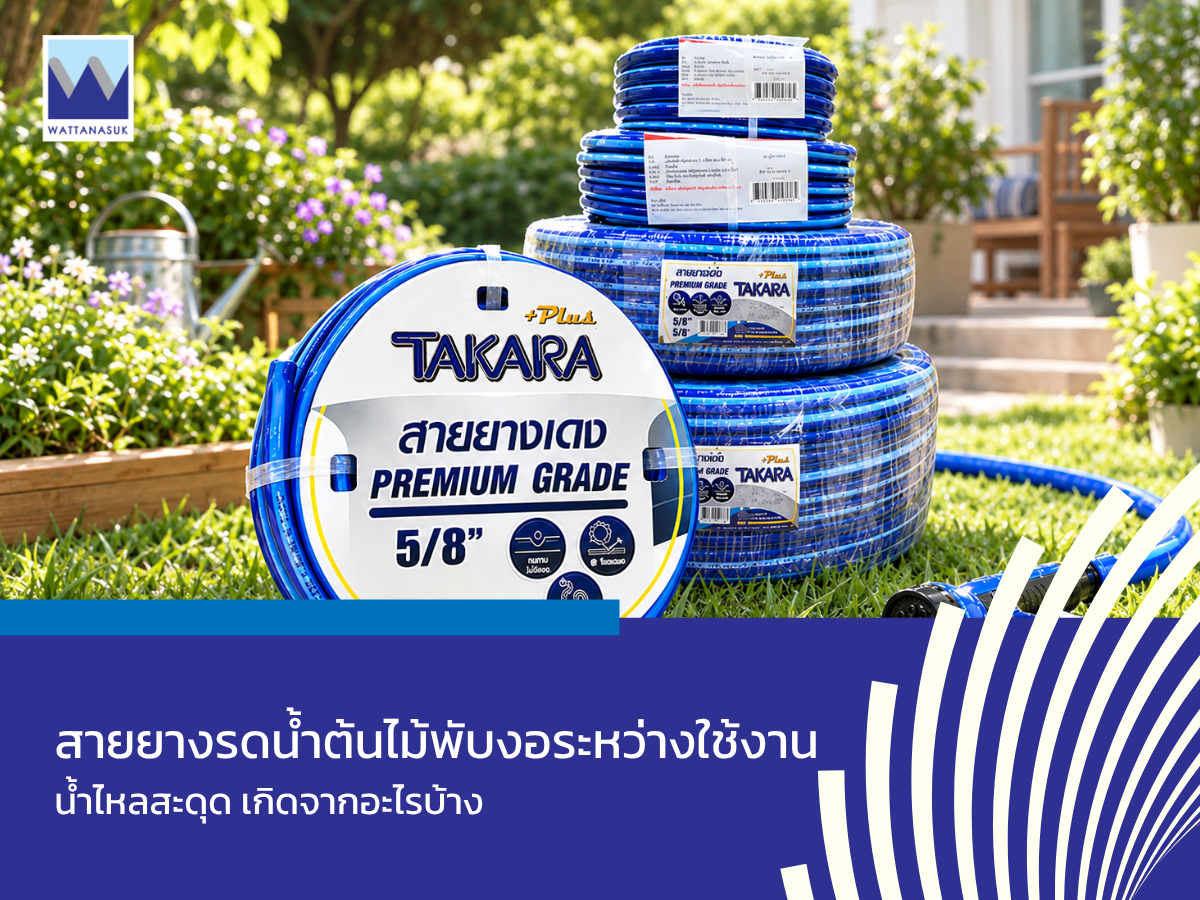
Why Does a Garden Hose Keep Kinking During Use?
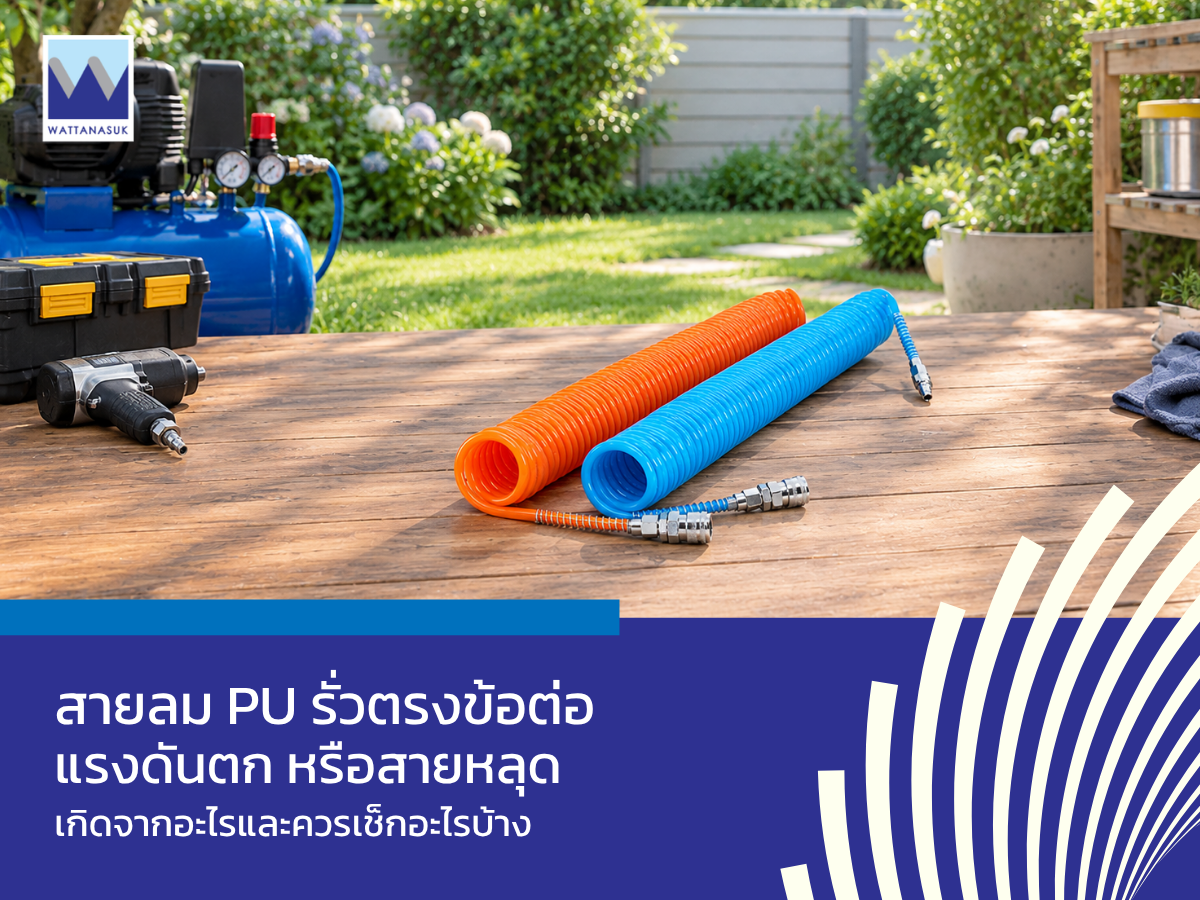
Why Does a PU Air Hose Leak or Come Loose at the Fitting?
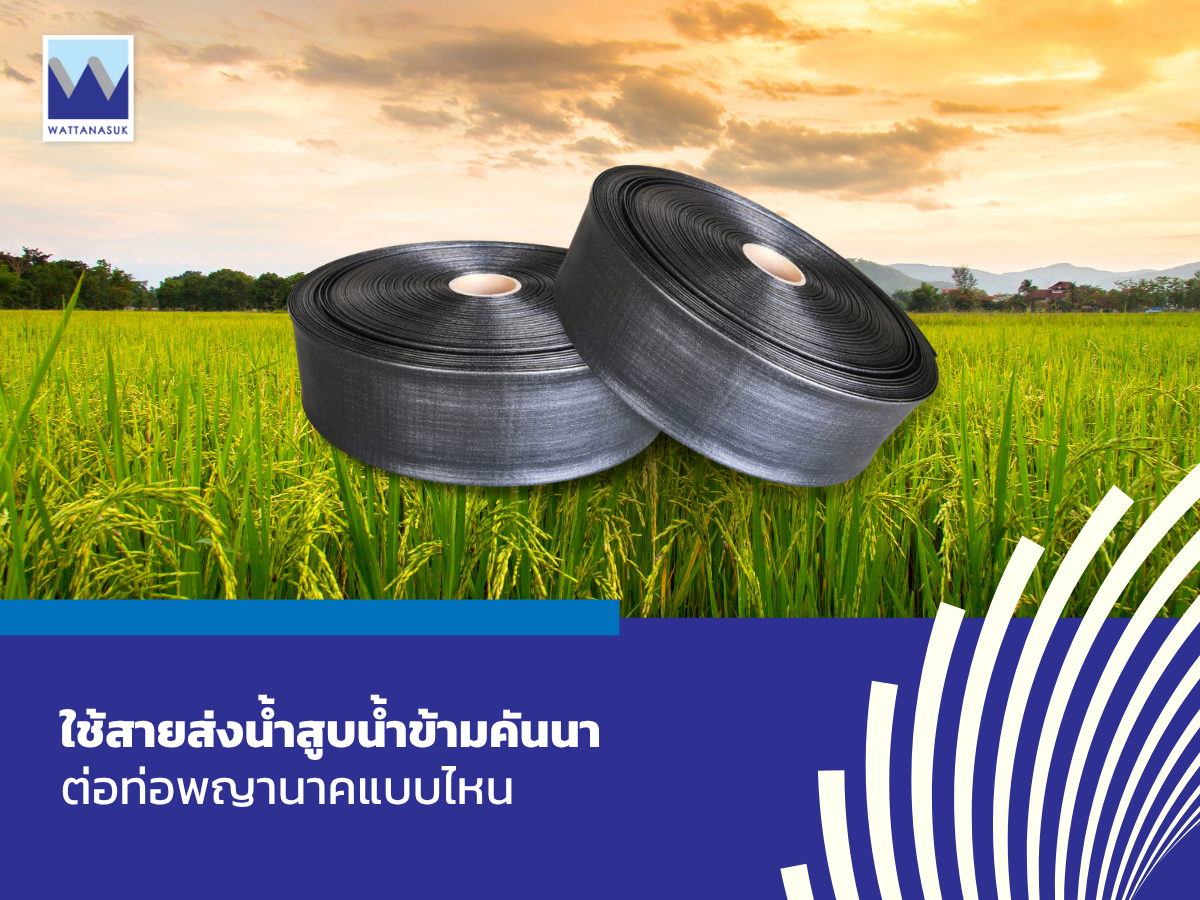
What Type of Water Delivery Hose Should You Use for Pumping Water Across Rice Field Bunds or Connecting to a Dragon Pump Pipe?