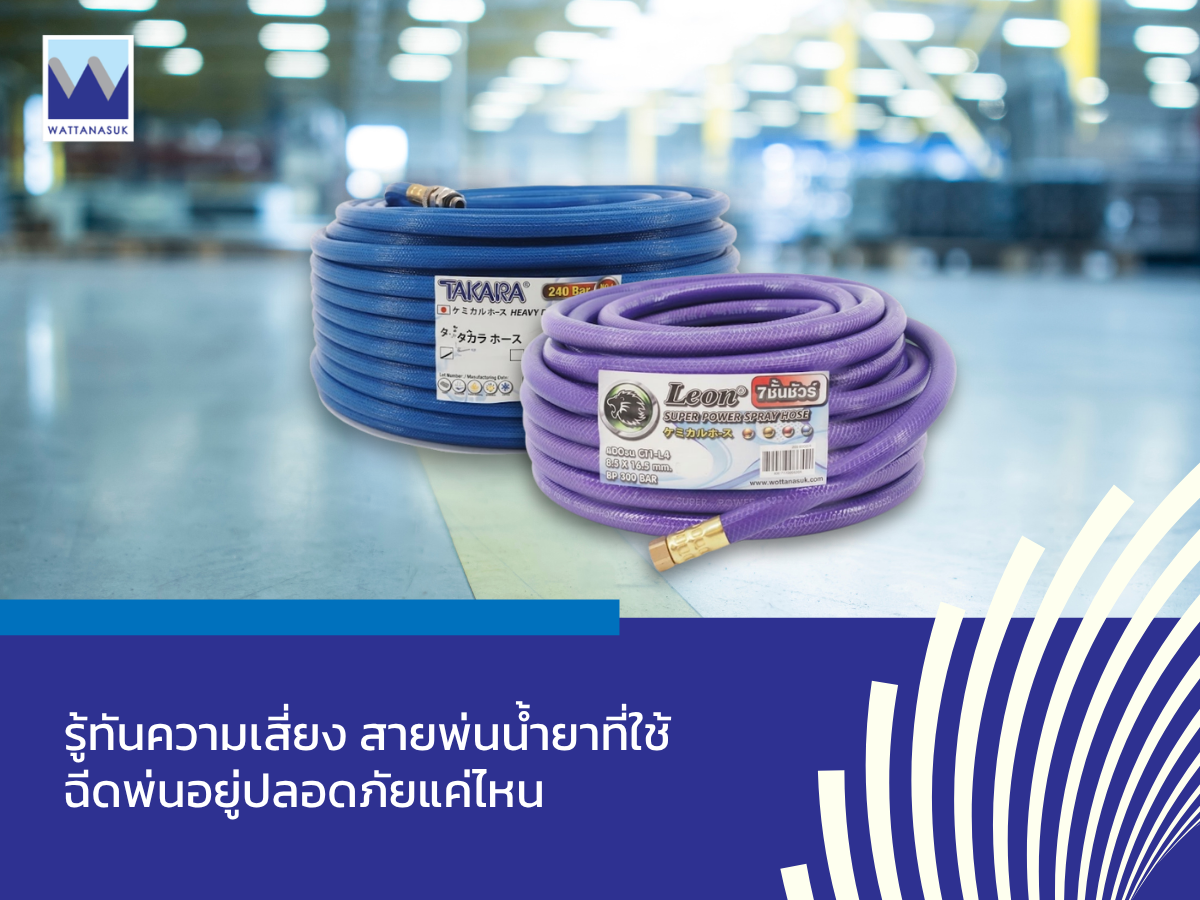
Safety Is a Critical Factor That Should Never Be Overlooked When Choosing Chemical Spray Hoses
2026-01-19 12:27:53
In industrial operations, cleaning applications, or chemical spraying systems, spray hoses are often seen as secondary components. In reality, however, chemical spray hoses are critical parts that must continuously withstand pressure, movement, and direct exposure to chemicals throughout operation.
When an unsuitable hose is selected, the consequences extend beyond reduced work efficiency. They may include risks to operator safety, damage to equipment, and long-term threats to overall system integrity.
Selecting chemical spray hoses that are specifically designed with operational safety in mind is therefore essential. This requires careful consideration of the following key factors.
Spray Hose Materials and Chemical Leakage Prevention
High-quality chemical spray hoses must be manufactured from materials that are compatible with the actual chemicals being used. Inappropriate materials may degrade prematurely, causing hose walls to become brittle, crack, or allow chemical seepage that may not be immediately visible.
Choosing chemically resistant materials helps prevent leakage, reduces the risk of operator exposure, and protects surrounding surfaces and equipment in the working environment.
Pressure Resistance to Prevent Hose Bursting or Rupture
One of the most common accidents involving chemical spray hoses is swelling, bursting, or tearing during operation. This is often caused by selecting hoses that are not rated for sufficient pressure.
Properly designed spray hoses feature working pressure and burst pressure ratings with adequate safety margins. This reduces the risk of sudden hose failure and prevents high-pressure chemical discharge toward operators.
Internal Reinforcement Structures to Prevent Kinking and Collapse
For applications involving continuous suction or fluid transfer, chemical spray hoses must incorporate internal reinforcement structures such as braided fibers or wire reinforcement to maintain hose shape during use.
These reinforcements prevent collapse, kinking, or flow obstruction, ensuring consistent spray performance while also reducing pump load and extending overall system lifespan.
Outer Surface Design for Spray Direction Control
Spray hoses with overly smooth or excessively rigid outer surfaces can be difficult to control, especially in environments where water or chemicals are constantly present.
Hoses designed with grip-friendly surfaces improve handling, reduce the risk of slipping, whipping, or loss of spray control, and help prevent accidents commonly associated with high-pressure spraying.
Compatibility with Fittings and End Equipment
Another often-overlooked safety factor is compatibility between the spray hose and fittings or spray nozzles. Incorrect hose diameter or wall thickness may lead to leakage or fitting detachment during operation.
Selecting hoses with specifications that match connectors and end equipment helps prevent sudden disconnections, reduces injury risks, and ensures stable system performance.
Health Protection and Long-Term Cost Reduction
Choosing the right chemical spray hose from the outset significantly reduces health risks for operators. Leakage, rupture, and material degradation are primary causes of unintended chemical exposure—both in liquid form and as vapor.
Minimizing repeated exposure helps prevent irritation and long-term health effects while also reducing indirect costs related to medical issues, downtime, and equipment damage.
Key Features of Wattanasuk Chemical Spray Hoses
Wattanasuk chemical spray hoses are developed for high-pressure and heavy-duty spraying applications, including agriculture, liquid fertilizer spraying, pesticide application, and industrial cleaning. Their design prioritizes safety and operational stability, as outlined below.
1. Designed for High-Pressure Spraying to Reduce Workplace Accidents
Wattanasuk spray hoses are engineered for continuous high-pressure applications such as agricultural spraying, fertilizer application, pest control, and industrial washing. Heavy-duty design from the outset minimizes the risk of overloading, which is a leading cause of hose rupture and pressure-related accidents.
2. Five-Layer Reinforced Structure to Prevent Swelling, Bursting, or Tearing
The five-layer construction with internal reinforcement strengthens hose walls, allowing them to withstand high pressure reliably. This significantly reduces the risk of swelling, bursting, or tearing during extended operation—key hazards that can lead to chemical injury.
3. Thick, Shape-Stable Hose Walls to Prevent Collapse and Kinking
Thick, shape-retentive hose walls prevent collapse or kinking that could cause abnormal pressure buildup. Stable fluid flow improves system safety and reduces the likelihood of hose or fitting failure.
4. Optimized Flexibility to Reduce Whipping and Loss of Control
Balanced flexibility ensures the hose is neither too stiff to handle nor too soft to tangle easily. This reduces hose whipping during pressure fluctuations and minimizes accidents caused by loss of spray direction control, especially in open areas or agricultural fields.
5. Chemical Resistance for Agricultural Applications
Wattanasuk spray hoses are designed to withstand a wide range of agricultural chemicals. Chemical resistance reduces material degradation and leakage risks, helping protect operators from long-term exposure.
6. Consistent Pressure Delivery to Reduce Spray Nozzle Jerking
The hose structure supports smooth and consistent pressure transmission, reducing nozzle jerking that can cause uncontrolled spray movement or detachment, thereby enhancing operational safety.
7. Stable Compatibility with High-Pressure Sprayers
These hoses are designed for stable use with both backpack sprayers and power sprayers. Proper compatibility minimizes fitting looseness and pressure mismatch, further enhancing system safety.
International-Quality Chemical Spray Hoses for Safe Operation by Wattanasuk
In chemical spraying and high-pressure applications, safety depends not only on operator skill but also on selecting equipment designed to address inherent risks directly. Properly engineered spray hoses reduce unnecessary chemical exposure, minimize the risk of hose rupture or swelling, and improve control during operation.
Correct hose selection is therefore not merely about durability or service life—it is a proactive approach to protecting operators, maintaining system integrity, and reducing long-term costs related to health, operational continuity, and unexpected damage.
Wattanasuk chemical spray hoses are developed with a strong focus on reinforced structure, high-pressure capability, chemical resistance, and operational stability. This enables users to work with confidence, reduce safety concerns, and concentrate fully on work quality across all application environments.
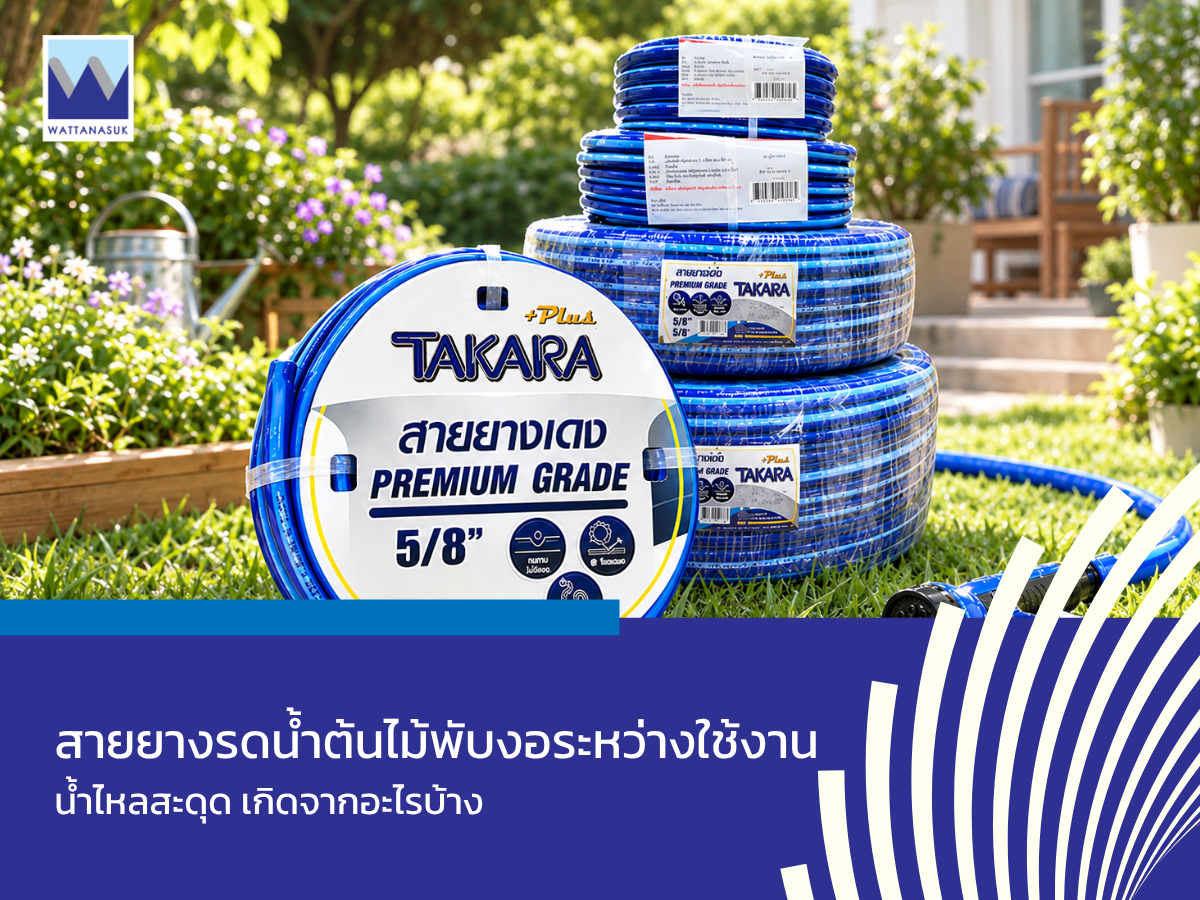
Why Does a Garden Hose Keep Kinking During Use?
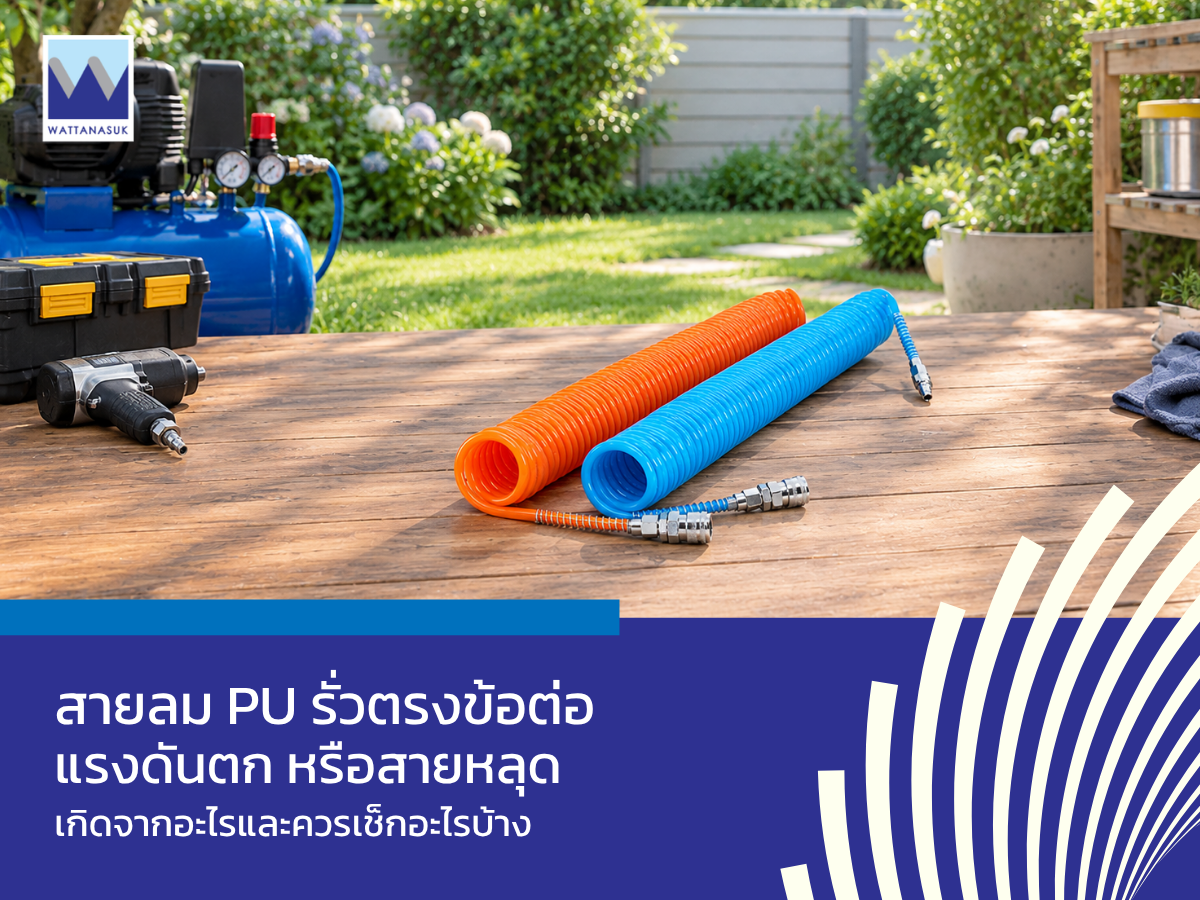
Why Does a PU Air Hose Leak or Come Loose at the Fitting?
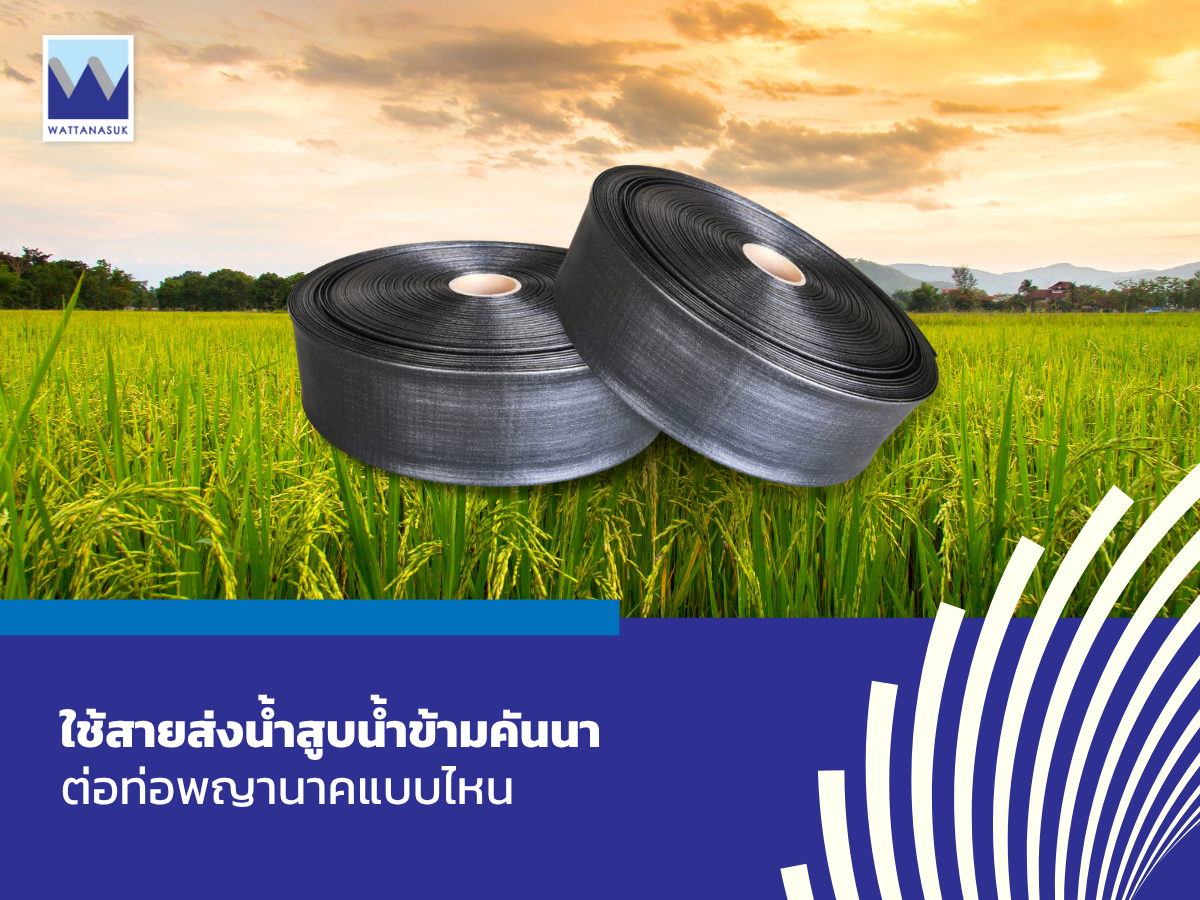
What Type of Water Delivery Hose Should You Use for Pumping Water Across Rice Field Bunds or Connecting to a Dragon Pump Pipe?